Plantar Fasciitis Insoles Review – Arch Support Orthotic Insoles for Foot Comfort and Daily Walking
“This link will take you to Amazon.”
Introduction
Foot pain and walking discomfort are common problems for people who spend long hours standing, walking, exercising, or working on hard surfaces. Conditions like plantar fasciitis, flat feet, arch strain, and general foot fatigue can affect daily comfort and even impact knees, hips, and posture over time.
Many people turn to orthotic insoles to improve:
- Arch support
- Shock absorption
- Walking comfort
- Foot alignment
- Pressure distribution
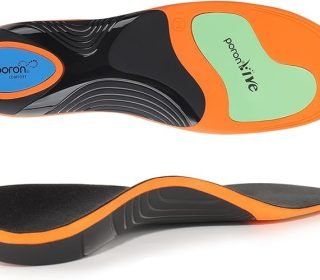
The Orthotic Plantar Fasciitis Insoles are designed to provide supportive cushioning and stability using a combination of TPU arch support, PU cushioning layers, and breathable moisture-absorbing materials.
These insoles aim to help users who experience:
- Plantar fasciitis discomfort
- Flat feet pressure
- Walking fatigue
- Heel impact stress
- Daily standing discomfort
With a universal design suitable for sneakers, work shoes, casual footwear, and leather shoes, these insoles are intended to improve comfort throughout the day while supporting foot alignment and impact absorption.
In this detailed review, we’ll examine the arch support system, cushioning performance, breathability, comfort, durability, pros and cons, and how these insoles compare with similar orthotic inserts.
Key Features
1. TPU Plantar Arch Support
One of the most important features of the Orthotic Plantar Fasciitis Insoles is the integrated TPU arch support structure.
TPU (thermoplastic polyurethane) provides:
- Firm arch stability
- Improved foot alignment
- Better pressure distribution
- Reduced strain on the plantar fascia
This structured support is designed to assist users dealing with:
- Flat feet
- Plantar fasciitis
- Overpronation
- Arch fatigue
- Hallux valgus discomfort
Arch support can also help reduce stress transferred to:
- Knees
- Ankles
- Lower legs
during walking and standing.
2. Cushioning and Shock Absorption
The insoles use:
- PU cushioning
- Poron rebound layers
- Dual-layer elastic support
These materials help absorb impact from:
- Walking
- Running
- Standing
- Daily movement
Shock absorption is especially important for people who:
- Walk on hard floors
- Work long shifts
- Exercise regularly
- Experience heel discomfort
The rebound cushioning also helps improve step comfort by reducing pressure buildup during movement.
3. Soft and Breathable Surface
Comfort is another major focus of these insoles.
The velvet fabric upper layer is designed to provide:
- Soft skin-friendly feel
- Sweat absorption
- Moisture control
- Reduced friction
Breathable insoles are helpful because they can:
- Reduce sweat buildup
- Improve airflow
- Keep shoes feeling fresher
- Minimize discomfort during long wear
This can be particularly beneficial during:
- Warm weather
- Long workdays
- Extended walking sessions
4. Universal Multi-Shoe Compatibility
The insoles are designed to fit multiple shoe types, including:
- Sneakers
- Work shoes
- Casual shoes
- Leather shoes
This versatility allows users to move the insoles between different footwear styles depending on their daily activities.
For people who alternate between work and casual shoes, universal compatibility adds convenience and value.
5. Foot Fatigue Reduction
One of the primary goals of orthotic insoles is reducing fatigue caused by repetitive pressure.
The cushioning and arch support system may help:
- Reduce soreness
- Improve comfort during standing
- Lower foot pressure
- Enhance walking support
This can be especially helpful for:
- Retail workers
- Warehouse employees
- Teachers
- Nurses
- Travelers
who spend many hours on their feet.
Pros and Cons
Pros
- Strong TPU arch support
- Shock-absorbing cushioning layers
- Comfortable soft velvet surface
- Breathable moisture-control design
- Suitable for multiple shoe types
- Helps reduce foot fatigue
- Good for long walking or standing periods
- Lightweight and flexible
- Supports better pressure distribution
- Useful for everyday wear
Cons
- May require adjustment period for some users
- Not custom-molded orthotics
- Support level may feel firm for sensitive feet
- Fit may vary depending on shoe shape
- Severe foot conditions may require medical-grade orthotics
Detailed Review
Arch Support Performance
The TPU arch support structure is the core feature of these insoles.
Supportive arches can help:
- Stabilize foot positioning
- Reduce excessive foot rolling
- Improve walking alignment
- Minimize plantar fascia strain
People with flat feet often experience increased stress on the arch area during long periods of standing or walking. Firm support may help reduce some of that pressure.
For plantar fasciitis users, supportive insoles can also help reduce tension placed on the plantar fascia ligament throughout the day.
Cushioning Experience
The dual-layer cushioning system combines impact absorption with rebound support.
Benefits may include:
- Softer heel landing
- Reduced pressure on joints
- More comfortable walking
- Less foot soreness after extended activity
The poron rebound material is designed to compress and recover quickly, helping maintain comfort during repetitive steps.
This cushioning can be useful for:
- Walking
- Daily commuting
- Work environments
- Casual sports activity
Breathability and Moisture Control
Sweaty feet can create discomfort during long hours of shoe wear.
The velvet fabric surface helps:
- Absorb moisture
- Improve comfort
- Reduce irritation
- Maintain dryness
Breathable materials are particularly important for users wearing:
- Work boots
- Sneakers
- Closed footwear for long shifts
Moisture control may also help reduce odor buildup over time.
Daily Comfort and Walking Support
Comfort improvements are often most noticeable during extended standing or walking sessions.
The insoles may help provide:
- Better weight distribution
- Improved walking comfort
- Reduced heel impact
- Increased step stability
Users who spend hours on hard flooring may notice reduced foot fatigue compared to standard thin factory insoles.
Multi-Shoe Versatility
The universal design makes these insoles flexible for different footwear categories.
This is convenient because users can:
- Move the insoles between shoes
- Use them for work and casual wear
- Avoid buying multiple specialized inserts
Versatility adds value for users with multiple daily footwear needs.
Break-In Period
Some users may require a short adjustment period when switching to supportive orthotic insoles.
This is relatively common with structured arch support because the feet adapt gradually to improved positioning.
Starting with shorter wear periods may help increase comfort during adjustment.
Build Quality and Durability
The combination of TPU support and layered cushioning materials suggests reasonable durability for daily use.
High-impact areas such as:
- Heels
- Arch zones
- Forefoot sections
typically experience the most wear over time.
Regular use lifespan may depend on:
- Body weight
- Walking frequency
- Shoe fit
- Activity level
Who Should Buy These Insoles?
The Orthotic Plantar Fasciitis Insoles are a good choice for:
People With Flat Feet
Arch support may improve walking comfort.
Users With Plantar Fasciitis Discomfort
Supportive cushioning may help reduce daily strain.
Workers Who Stand for Long Hours
Helpful for reducing foot fatigue.
Daily Walkers
Shock absorption supports walking comfort.
Sneaker and Work Shoe Users
Universal compatibility fits multiple footwear styles.
Who May Want Another Option?
These insoles may not be ideal for:
- Severe medical foot conditions
- Users needing fully custom orthotics
- Minimalist footwear users
- People preferring ultra-soft insoles only
Comparison With Similar Products
Orthotic Insoles vs Standard Shoe Insoles
| Feature | Orthotic Insoles | Standard Insoles |
|---|---|---|
| Arch Support | Stronger | Minimal |
| Shock Absorption | Better | Basic |
| Foot Stability | Improved | Limited |
| Long-Term Comfort | Better | Moderate |
Orthotic insoles are designed more for support and alignment.
TPU Arch Support vs Soft Foam Insoles
| Feature | TPU Support | Soft Foam |
|---|---|---|
| Stability | Higher | Moderate |
| Arch Structure | Firm | Soft |
| Long-Term Support | Better | Less supportive |
| Cushioning Feel | Balanced | Softer |
TPU designs focus more on structural support.
Frequently Asked Questions
Are these insoles suitable for plantar fasciitis?
Yes, they are designed to provide arch support and cushioning that may help reduce plantar fascia strain.
Can they fit different shoes?
Yes, they are designed for sneakers, work shoes, casual shoes, and leather shoes.
Are they breathable?
Yes, the velvet fabric surface is designed for moisture absorption and breathability.
Do they help with foot fatigue?
Yes, the cushioning and support system are intended to reduce walking and standing fatigue.
Are they soft or firm?
They combine soft cushioning with firmer TPU arch support.
Can they be used daily?
Yes, they are intended for everyday walking and standing comfort.
Do they require trimming?
Depending on shoe fit, some users may need minor adjustments for sizing compatibility.
Final Verdict
The Orthotic Plantar Fasciitis Insoles offer a practical combination of arch support, cushioning, breathability, and daily walking comfort for users seeking better foot support inside everyday footwear.
Their strongest advantages include:
- TPU structural arch support
- Shock-absorbing cushioning
- Breathable moisture-control surface
- Multi-shoe compatibility
- Reduced foot fatigue
- Comfortable daily walking support
While they may not replace medical-grade custom orthotics for severe conditions, they provide solid everyday support for many users dealing with flat feet, plantar discomfort, or long standing hours.
For users seeking affordable supportive insoles for daily comfort and improved walking stability, these orthotic insoles are worth considering.
Affiliate Disclaimer
This article may contain affiliate links. If you purchase through these links, we may earn a small commission at no additional cost to you. This helps support our website and allows us to continue publishing honest and helpful product reviews.