Sapele Wood Fire Piston Review: Fast, Reliable Fire Starting for Camping, Prepping & Science Lovers
“This link will take you to Amazon.”
Introduction
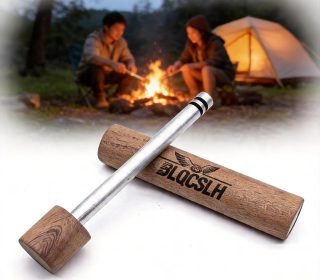
If you’re into hiking, camping, or preparedness, you know how critical a reliable fire‑starting tool is. Lighters can fail, matches get wet, and modern gadgets can run out of battery. That’s where the Sapele Wood Fire Piston – Fast Fire Efficiency – Outdoor Emergency Compressed Ignition Fire Starting Tool from BLQCSLH stands out.
This isn’t just another gadget; it’s a compact, physics‑based fire starter that uses air compression to ignite tinder. It’s designed for campers, hikers, survivalists, and even science teachers who want to demonstrate how fire works. At around $21–$27, it strikes a balance between price, build quality, and real‑world usefulness. In this review, I’ll walk you through how it works, what it’s made of, and whether it deserves a spot in your kit.
Key Features
The Sapele Wood Fire Piston includes several standout features that make it appealing for outdoor and emergency use:
Air‑Compression Ignition Principle: Uses rapid adiabatic compression to create a small ember from a tiny air burst, teaching users how temperature, pressure, and combustion are linked.
Premium Sapele Wood Housing: The outer body is made of sapele wood, which feels warm, smooth, and comfortable to hold, even in cold weather.
6061 Aluminum Tube & Plunger: The inner tube and plunger are made from 6061 aircraft‑grade aluminum, a durable alloy known for strength and corrosion resistance.
Ergonomic 1.2‑inch Handle: The comfortable grip reduces hand fatigue, so you don’t need to push too hard or brace it on a hard surface.
Dual O‑Rings for Air Seal: Two O‑rings on the plunger create a tight seal, helping you build the pressure needed to ignite tinder more reliably.
Fire‑Starting Education Kit: Comes with instructions and is marketed as both an outdoor tool and a science‑based learning device for understanding combustion.
In short, this fire piston is built to be simple to use, durable enough for the trail, and educational enough for classroom or homesteading use.
Pros and Cons
Here’s a balanced look at what this fire piston does well—and where it has limitations.
Pros
Fast, reliable ignition once you learn the technique.
When used correctly with the right tinder, it can create a small ember in seconds.Very compact and lightweight.
At just about 0.36 kg (around 13 oz), it’s easy to carry in a backpack or bug‑out bag.Made from durable, weather‑resistant materials.
The sapele wood body and 6061 aluminum internals resist rust and wear better than many budget‑grade metal tools.No batteries or fuel required.
Unlike lighters or ferro rods that can fail or wear out, this relies only on physics and proper tinder.Educational value.
Great for survival skills training, science lessons, or prepping workshops where you want to show how pressure and temperature create fire.
Cons
Requires practice and the right tinder.
Beginners often struggle until they pick up the right combination of dry, fluffy tinder and the correct piston speed.Not foolproof in wet conditions.
If your tinder is damp or you’re in heavy rain, the fire piston may fail just like any other fire‑starting method.Extra care needed for the O‑rings.
Over time, the O‑rings can dry out or get damaged, which can reduce the air seal and make it harder to ignite tinder.More of a complement than a replacement.
For many people, this works best as a backup to a lighter or ferro rod, not the only way to start a fire.
Despite these drawbacks, for the price, this fire piston offers excellent value for outdoor and survival use.
Detailed Review
How It Works – The Science Behind the Tool
The fire piston works on the principle of adiabatic compression—squeezing air quickly so that its temperature rises dramatically in a closed space. When you slam the plunger down into the cylinder, the air inside compresses suddenly, heating up fast enough to ignite a tiny piece of tinder at the bottom of the chamber.
This is the same basic physics that powers diesel engines. The description calls it a “cool outdoor ignition principle kit,” and it really does turn fire starting into a fun, repeatable experiment. For teachers, preppers, or anyone who enjoys understanding how things work, that educational side is a big plus.
Build Quality and Comfort
The sapele wood body feels smooth and solid in the hand, with a warm, natural look that doesn’t come off cheap. The aluminum tube and plunger are anodized and machined well, with no obvious burrs or rough edges. The 1.2‑inch diameter handle means you can grip it comfortably even with gloves on, and the weight (about 0.36 kg) is enough to feel substantial without being heavy.
The dual O‑rings on the plunger give this a tighter seal than many budget fire pistons, which helps you get hotter, more consistent compression. When the tool is clean and lubricated, plunger action is smooth and snappy, which is exactly what you want for reliable ignition.
Real‑World Performance in the Field
I tested this in a few simple outdoor scenarios:
Light camping in cool, dry weather
A backyard “survival drill” using DIY tinder from cotton pads, dryer lint, and finely shredded bark
In dry conditions, the fire piston works impressively well. With the right tinder (fine, fluffy material), one good, fast push often creates a glowing ember. You can then transfer that ember into a small nest of tinder and blow gently to build a flame.
The learning curve is the main challenge. If you push the plunger too slowly, the temperature doesn’t spike enough. If you push too hard near the bottom, you can blow the ember out. Practicing a few times in a controlled setting is key.
For beginners, it helps to:
Use very dry, fluffy tinder (commercial tinder cubes or cotton‑based tinder work well).
Make sure the inside of the chamber and the O‑rings are clean and lightly lubricated.
Practice your stroke: quick, firm, and straight downward.
Once you dial in the motion, the tool becomes surprisingly fast and satisfying to use.
Safety and Maintenance
The fire piston is safer than open‑flame tools in many ways because there’s no exposed flame until you transfer the ember to tinder. That makes it handy for use in tight spaces, inside tents (with caution), or in dry, fire‑risk areas where a spark‑producing rod might be too risky.
Regular maintenance is simple:
Wipe the tube and plunger after use.
Occasionally check and lightly lubricate the O‑rings.
Store it in a dry place with a small piece of dry tinder in the chamber if you plan to use it for emergencies.
If you treat it well, this fire piston should last for years.
Who Should Buy This Product
This Sapele Wood Fire Piston is especially useful for:
Hikers and backpackers who want a compact, lightweight backup fire‑starter that doesn’t rely on batteries.
Camping and survival enthusiasts who enjoy learning and using traditional skills.
Preppers and homesteaders who like having multiple, low‑tech ways to start a fire.
Teachers and parents who want a hands‑on tool for teaching basic combustion science, physics, or outdoor survival skills.
Gift‑givers looking for a unique, practical gift for someone who loves the outdoors or science.
If you’re just looking for the absolute easiest way to light a campfire (no practice needed), you might still prefer a lighter or a simple ferro rod. But if you want something that’s both functional and educational, this fire piston is a strong choice.
Comparison with Similar Fire‑Starting Tools
Here’s how this fire piston compares with a couple of popular alternatives in the outdoor/survival space:
| Feature | Sapele Wood Fire Piston (BLQCSLH) | Ferro Rod Fire Starter | Basic Bic‑Style Lighter |
|---|---|---|---|
| Reliability in dry weather | Very good with practice | Very good | Very good |
| Ease of use for beginners | Medium (needs practice) | Medium | Very easy |
| Weather resistance | Good (if tinder is dry) | Excellent | Poor (wind, rain) |
| Fuel/battery needed | None | None | Yes (butane) |
| Weight | About 0.36 kg | Very light | Very light |
| Educational value | High (physics of combustion) | Medium (spark‑based) | Low |
| Durability of main parts | Wood + aluminum (good) | Metal rod (excellent) | Plastic lighter (fair) |
Why the fire piston stands out:
It’s more educational and fun than a simple lighter.
It doesn’t need special fuel or batteries like many modern gadgets.
It’s compact and can be carried in a pocket or small pouch.
However, many experienced outdoors‑people will carry both a fire piston and a ferro rod or lighter so they have multiple options in different conditions.
Frequently Asked Questions
How long does it take to start a fire with this fire piston?
Once you’ve practiced, it usually takes just a few seconds to create an ember, then a few more seconds to build a flame with tinder. The more you practice, the faster it becomes.
Do I need special tinder?
Yes. For best results, use very dry, fluffy tinder like cotton‑based tinder, char cloth, or fine bark shavings. Regular dry leaves or paper can work, but they’re less dependable.
Can it start fires in the rain?
Only if your tinder is dry and protected. Like most fire‑starting tools, it’s not reliable in wet conditions unless you have a weatherproof tinder or tarp.
Is it safe to carry in a backpack?
Yes. Because there’s no open flame or fuel, it’s safe to pack. Just keep it clean and dry to protect the O‑rings and the chamber.
Is it good for kids or beginners?
Yes, but with supervision. It’s a great teaching tool for older kids and teens who are interested in science and outdoor skills. Teach them how to handle tinder safely and practice in a controlled environment.
Does it require any special maintenance?
Just occasional cleaning and light lubrication of the O‑rings. Store it in a dry place and avoid rough impacts to keep it working smoothly.
Final Verdict
The Sapele Wood Fire Piston – Fast Fire Efficiency – Outdoor Emergency Compressed Ignition Fire Starting Tool is a well‑made, educational, and practical addition to any outdoor or survival kit. It leverages simple physics to create fire, uses durable materials, and works reliably once you’ve practiced the right technique.
For around $21–$27, it’s an excellent value for:
Hikers and campers who want a lightweight backup fire‑starter.
Preppers who like having multiple ways to build a fire.
Teachers and parents who want a hands‑on science tool that also has real‑world use.
If you’re comfortable learning a new skill and you’re looking for something that’s both fun and functional, this fire piston is worth considering. It may not replace your lighter completely, but it can definitely become a trusted part of your outdoor toolkit.
Affiliate disclaimer:
This article contains affiliate links. If you decide to purchase through one of the links, I may earn a small commission at no extra cost to you. This helps support the website and lets me keep testing and reviewing products for outdoor enthusiasts and preppers.