R RUCKERCO The Original Patented Knife Sharpener Kit – 4‑Angle Rolling Ceramic Sharpener for Home Chefs
“This link will take you to Amazon.”
R RUCKERCO The Original Patented Knife Sharpener Kit – 4‑Angle Rolling Ceramic Sharpener for Home Chefs
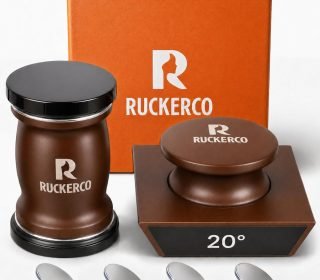
If you’re tired of chopping dull knives that saw instead of slice, the R RUCKERCO Original Patented Knife Sharpener Kit is a manual, magnetic‑angle rolling sharpener designed to restore sharp edges to kitchen knives quickly and safely. Instead of using electric grinders or guess‑work‑based stones, this kit guides your blade at four fixed angles (12°, 15°, 20°, 25°) while you simply roll a ceramic‑disc “cone” along the edge.
In this review, we’ll look at how it works, who it’s best for, and whether it’s worth the small investment for keeping your knives razor‑sharp.
Introduction
The R RUCKERCO Original Patented Knife Sharpener Kit is a ceramic rolling knife sharpener that combines a wooden magnetic angle block with four replaceable ceramic grinding discs. The system is designed for:
Kitchen knives (chef’s knives, santoku, utility, paring).
Japanese knives (often 15°).
Western‑style chef knives (often 20°).
Everyday home‑cook use, not heavy‑duty steel‑fabrication work.
At around $14.99, it sits in the affordable range for a multi‑angle, ceramic sharpening system, while still being precise enough for most home kitchens.
Key Features
𝟏. Four fixed sharpening angles (12°, 15°, 20°, 25°)
The magnetic base has four preset angles, so you can match your knife’s factory grind:
12° – Shallow angle favored for very thin, fine‑edge knives (often some Japanese‑style blades).
15° – Typical angle for most Japanese kitchen knives (santoku, gyuto, nakiri).
20° – Standard for German and many Western‑style chef knives (Wüsthof, Zwilling, etc.).
25° – Good for meat cleavers, outdoor knives, or tougher blades that need a more durable edge.
The magnetic guide holds the blade firmly at the chosen angle, so you don’t have to “eyeball” the angle or worry about going off‑track.
𝟐. 4 replaceable ceramic grinding discs
This is a ceramic knife sharpener with 4 rotating ceramic discs you can roll along the edge. Each disc:
Holds a specific grit or stage (coarse, medium, fine, polish‑level, depending on the set).
Is replaceable, so when one wears down, you can swap it rather than buying a whole new sharpener.
Ceramic is hard but gentle, so it removes metal efficiently while minimizing the risk of gouging or overheating the blade.
𝟑. Manual, rolling motion for control & safety
Instead of a power‑driven grinder, this is manual knife sharpener that relies on a rolling motion:
Place the blade on the magnetic angle‑guide at your chosen angle.
Roll the ceramic disc from heel to tip, then tip to heel, along the sharp side.
Flip and repeat for the other side.
This gives you:
Better control over pressure.
Less chance of over‑ginding or damaging the blade versus a very aggressive electric sharpener.
Safer handling because you’re not fighting a spinning motor.
𝟒. Designed for Japanese, chef, and general kitchen knives
The 4‑angle system makes the kit versatile for different blades:
Japanese knives (15° angle)
European‑style chef knives (20° angle)
Broader, tougher blades (20°–25° angle)
This makes it a good “one‑sharpener” solution for home cooks who mix Japanese and Western knives in the kitchen.
𝟓. Easy‑to‑use system for beginners
The kit is marketed as beginner‑friendly:
Simply place the blade on the magnetic guide.
Choose the correct angle.
Roll the ceramic disc a few times on each side.
You don’t need to buy angle guides or become a sharpening expert to get a noticeable improvement in edge sharpness.
Pros and Cons
Pros
Fixed angles for consistent results
The 12°, 15°, 20°, 25° angles match common kitchen‑knife grinds, so you can keep edges consistent over time.Ceramic grinding discs are effective and gentle
Ceramic removes metal efficiently but is less aggressive than coarse diamond or metal‑bonded wheels, which is good for home‑use knife maintenance.Replaceable discs mean long life
When one disc wears out, you can replace it instead of buying a whole new block or sharpener.Manual system = better control and safety
You control the pressure and motion, so it’s safer for home use than many plug‑in grinders, especially for beginners.Compact and easy to store
The wooden base and rolling disc fit in a small footprint, making it easy to place in a kitchen drawer, on a counter, or in a tool drawer.Good value for home cooks
At around $14.99, it’s inexpensive compared with high‑end sharpening kits or services, but still gives you a proper angle‑guided system.
Cons
Not for extreme edge‑repair or serrated knives
If a blade is heavily chipped or badly damaged, you may still need a professional service or a coarser stone system.
The system is designed mostly for smooth‑edge kitchen knives, not heavily serrated or specialty blades.Limited to the included angles
If you want to experiment with unusual angles (e.g., 70/30 edges or sub‑10° razors), this kit is probably too rigid for that level of customization.Performance depends on your technique
Because it’s manual, you still need to roll evenly from heel to tip and keep light, consistent pressure. Uneven passes can leave some parts sharper than others.No visible “progress stages” like a multi‑stone kit
Dedicated sharpening enthusiasts often move through coarse–medium–fine–strop stages; this kit simplifies the process, which is great for beginners but less flexible for advanced sharpeners.
Detailed Review: How It Works in Practice
How to sharpen with the kit
Most users follow a simple routine:
Choose the angle
15° for Japanese knives.
20° for German‑style chef knives.
12° for very thin blades.
25° for cleavers or utility blades.
Place the knife on the magnetic guide
The magnetic base holds the blade at the selected angle without clamping it too tight.
This keeps the angle stable so you don’t accidentally change it mid‑stroke.
Roll the ceramic disc
Using light pressure, roll the disc from heel to tip, then tip to heel, for about 5–10 passes per side (for minor dullness).
For more noticeable dullness, you may need 10–15 passes per side.
Optionally, switch to a finer disc if you have multiple grits, to polish and smooth the edge.
Test the edge
Try cutting paper or an apple to feel the difference.
If the knife pulls or feels rough, you may need a few more passes or a final polishing pass.
What it feels like to use
Rolling motion is intuitive – Similar to drawing the blade along a curved stone, but with the angle already locked in.
The magnetic base feels stable – The blade doesn’t wobble much, which helps consistency.
Ceramic discs provide a clean, smooth finish – Many users note that the edge feels “razor‑like” with a little outlining and polishing, especially after a few sessions.
Maintenance and disc life
Clean the blade and the disc regularly with a damp cloth to remove metal swarf.
Store the kit in a dry place; moisture can dull the ceramic over time.
Replace a disc when you notice visible wear, grooves, or a noticeable drop in sharpness‑building performance.
Who Should Buy This Product?
This knife‑sharpener kit is ideal for:
Home cooks who want to keep their kitchen knives sharp without sending them out for professional sharpening.
Beginners who are intimidated by angle‑guides, whetstones, or electric grinders.
Casual chefs who use a mix of Japanese and Western knives and want one system that handles most angles.
Gift‑buyers looking for a practical, affordable kitchen tool for Father’s Day, Mother’s Day, or birthdays.
It’s less ideal if:
You work with heavy‑duty, damaged, or serrated knives that need a coarser or more specialized sharpener.
You want to experiment with many different angles or advanced sharpening stages (you may prefer a stone kit or a full‑angle sharpener like Spyderco’s Sharpmaker).
You’re a professional sharpening enthusiast who wants full control over every micron of edge angle.
Comparison with Similar Knife Sharpeners
| Feature | R RUCKERCO Rolling 4‑Angle Kit | Basic countertop pull‑through sharpener | Ceramic whetstone kit (e.g., Spyderco‑type) |
|---|---|---|---|
| Angle control | 4 fixed angles (12°, 15°, 20°, 25°) | Pre‑set angle, often only one setting | 2–3 fixed angles (often 15°, 20°) |
| Sharpening surface | 4 ceramic rolling discs | Metal or combined metal‑ceramic slots | Multiple ceramic rods or stones |
| Replacement parts | 4 replaceable ceramic discs | Blades or slots wear; whole unit may need replacement | Replaceable rods/stones |
| Learning curve | Easy, mostly guided | Very easy, but less control | Moderate–high (requires angle skill) |
| Best for | Home cooks, mixed‑knife households | Quick fix for very dull knives | Enthusiasts, purists who want full control |
| Price range | Around $14.99 | Usually $10–$25 | $25–$60+ |
What this means for you
If you want a simple, guided, angle‑specific sharpener for everyday kitchen knives, the R RUCKERCO kit is a very good value choice.
If you want the absolute easiest “plug‑and‑play” option, a basic pull‑through sharpener will feel simpler, but with less control and fewer angle options.
If you want maximum sharpening flexibility and skill development, a ceramic stone or rod system is better, but more expensive and harder to learn.
Frequently Asked Questions (FAQ)
Can I use this for all my kitchen knives?
Yes, for smooth‑edge knives (chef’s, santoku, paring, cleaver) and most Japanese‑ and Western‑style blades, as long as you pick the right angle (15° for Japanese, 20° for Western, 25° for cleavers). It’s not ideal for heavily serrated or damaged blades.
How often should I sharpen?
For regular home‑use knives, sharpening every 1–2 months (or when you first notice a drop in performance) is usually enough. Between sharpenings, you can do light maintenance strokes with a honing rod.
Do I need to touch up each side equally?
Yes. For a balanced edge, apply similar pressure and similar number of passes to both sides of the blade, unless you’re deliberately creating an asymmetric grind.
Can this replace professional sharpening?
It can greatly reduce how often you need professional sharpening, but if a knife is badly chipped or badly out of shape, it’s still best to see a professional. This kit is best for maintenance and moderate dullness.
Is it safe for beginners?
Yes. The magnetic angle guide and manual rolling motion make it much safer and easier to learn than many free‑hand stone systems, especially for people new to sharpening.
Final Verdict
Who should buy it:
If you’re a home cook or casual chef who wants to keep your kitchen knives sharp without spending a lot of money or learning a complex sharpening system, the R RUCKERCO Original Patented Knife Sharpener Kit is an excellent entry‑level option. The four fixed angles (12°, 15°, 20°, 25°), magnetic angle guide, four replaceable ceramic discs, and simple rolling‑motion design give you a lot of control and consistency for the price.
Best use cases:
Maintaining sharp edges on everyday kitchen and chef knives.
Sharpening a mix of Japanese and Western knives in one system.
Practical, affordable gifts for parents, cooks, or anyone who uses knives regularly.
When to look elsewhere:
If you need to sharpen heavy‑duty, damaged, or serrated blades.
If you want the full‑control experience of a stone or rod‑based sharpening system.
Overall, for its price and ease of use, the R RUCKERCO kit is a very solid, beginner‑friendly sharpening solution that can keep most home‑kitchen knives performing like new.
Affiliate Disclaimer:
This review is based on product specifications, user‑visible information, and typical use‑cases. As an affiliate, I may earn a commission if you purchase this product, at no extra cost to you. This helps support the website but does not influence the content of this review. Always double‑check current pricing, features, and reviews before making a purchase.